

The Attic Tells the Truth About a Florida Roof
by Phillip McClain | Apr 22, 2026 | Home Inspection Notes
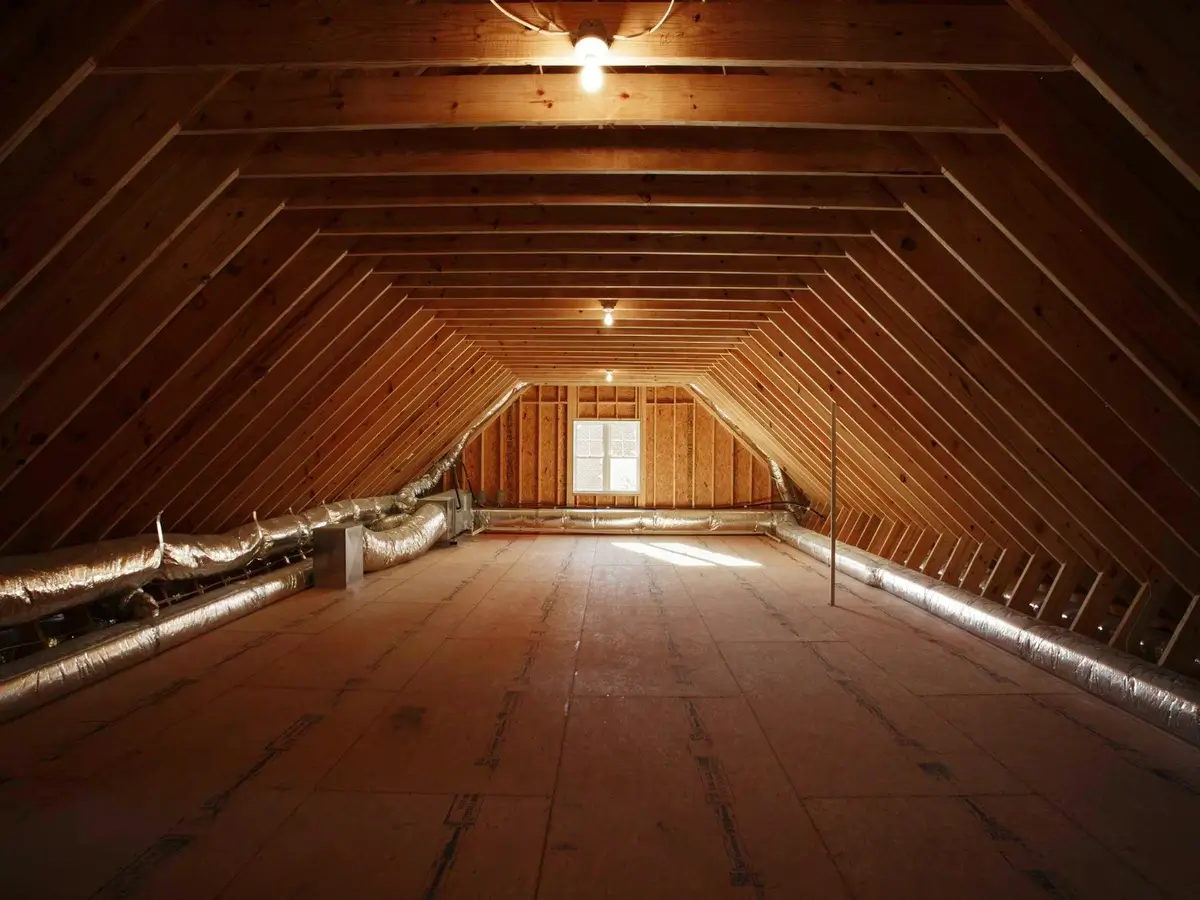
Most folks expect me to spend my time on the roof. I do walk the roof when I can, but if you really want to know what shape it's in, the attic is where the answers live.
I was inspecting a place off SE 36th Ave a few weeks back. From the driveway the shingles looked clean, edges sat flat, no obvious sag. The seller had even mentioned the roof was newer. Then I popped the attic hatch and got hit with that wave of heat we all know. Up at the ridge I could see daylight where the cap shingles weren't sealed. Two rafters had dark staining around the nails. The decking near the chimney was soft enough that I wouldn't want to walk on it. Nothing about that was visible from outside.
That's pretty much always the pattern. Florida heat and afternoon storms put roofs through more in a year than most parts of the country see in three. The attic is where the evidence collects.
What I'm actually checking
When I climb up there, I'm not just glancing around. Here are some of the things I want to see (or not see).
Stains on the underside of the decking. A small ring of darker wood near a nail is usually old, and it might be from a leak that's already been patched. Fresh stains, with that almost-wet look, are a different story. I always ask when the roof was last replaced, then I see if the stains line up with that timeline.
Soft or spongy decking. I press on it with the back of my hand near valleys, vents, and chimneys. If it gives, water has been working on it for a while. Sometimes the shingles on top are still under warranty and the wood under them is shot.
Rusted or backed-out nails. A roof that's been through a few hurricane seasons in central Florida will tell on its installer. Nails that didn't get driven all the way home work themselves loose with the heat cycles. You can see them dimpling the shingles from below.
Daylight where there shouldn't be any. Tiny pinholes around plumbing boots, gaps where flashing meets the chimney, light coming in around an old satellite mount that nobody bothered to seal. Air goes through those holes. So does water.
Insulation that's flat, dirty, or moved. Insulation that's been wet and dried out doesn't bounce back. It sits there compressed and a little gray. If there's a section that looks darker or pushed aside, that's almost always a sign water has run through it at some point.
Ventilation, which nobody asks about
If the attic is around 130 to 140 in the summer, that's about what I expect for our area. If it's pushing 160 and the soffit vents are blocked with old insulation, that roof is cooking from underneath. Shingles fail early in those conditions, and your AC unit ends up doing a second job it wasn't designed for.
A surprising number of homes I see in Marion County have soffit vents that were either painted shut or buried when somebody added blown-in insulation. The ridge vent is up there doing its part, but there's no air coming in to push the hot air out. It's a small fix and it changes the life of the roof.
What I tell buyers
If the listing says "roof is 4 years old," that's a starting point, not an answer. I've seen four-year-old roofs that needed full replacement because the original install was sloppy. I've also seen 18-year-old roofs that had another good summer or two left because somebody actually maintained them. The attic tells you which one you've got.
When you're walking a house with your agent, you obviously aren't going up there in your good clothes. But you can ask whether the inspector plans to enter the attic, how long they'll be up there, and whether they'll show you photos of what they found. If the answer is "I'll take a quick look from the hatch," that's not really an inspection of the roof. It's a glance.
I'll always come down dripping, and I'll always come down with pictures. That's the part of the job I think is worth the most to the people writing the check.