

What Old Wiring in Ocala Homes Usually Looks Like
by Phillip McClain | Jan 8, 2026 | Home Inspection Notes
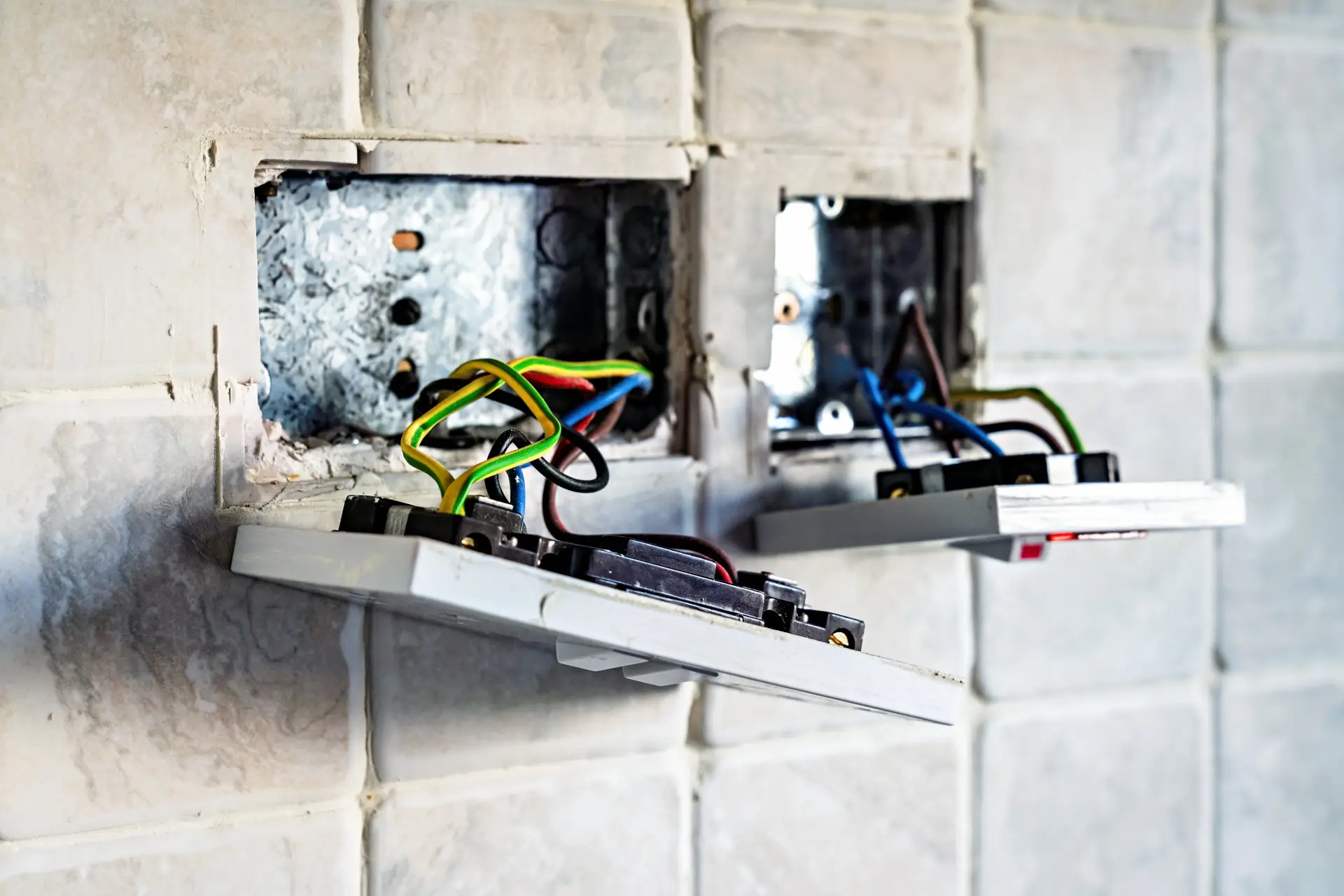
A lot of the homes I inspect around Ocala were built in the 60s, 70s, and early 80s. Block construction, low ceilings, those big screened porches off the back. The bones are usually fine. The electrical is where things tend to get interesting.
Buyers ask me about wiring more than just about anything else, and I get it. You can see a stained ceiling and figure out a roof leak. You can't see what's behind a panel cover unless someone takes the cover off. So here's what I actually find when I do.
Federal Pacific and Zinsco panels
If the panel in the garage has a bright red FPE sticker on it, or it says "Stab-Lok" anywhere on the breakers, that's the one a lot of people have read about online. The short version is the breakers don't always trip when they're supposed to. There's testing going back to the 80s on this. Insurance companies in Florida are well aware. I've had clients get a call from their insurer the week after closing asking when the panel is being replaced.
Zinsco is a similar story. Different brand, same general concern. If I see one, it goes in the report with photos and a recommendation to budget for a replacement panel.
I'm not telling people to walk away from the house. A panel swap in Marion County runs around $1,800 to $3,500 depending on what the electrician finds when they open it up. That's a number you can plan for. The ones who get hurt are the ones who don't know it's there.
Aluminum branch circuit wiring
Florida had a long stretch in the late 60s and early 70s where copper got expensive and a lot of homes were wired with solid aluminum branch circuits. The thicker stuff that runs from the panel to the meter is usually fine, even today. The thinner branch wire going to outlets and switches is the part that can cause trouble.
Aluminum expands and contracts more than copper, and the connections can loosen at the screw terminals over time. A loose connection gets warm. Warm gets hot. Once in a while you get a fire.
I check outlets and switches on aluminum-wired homes pretty carefully. There are real fixes for this. Pigtailing with the right connectors, the CO/ALR rated kind, not the old purple wire nuts. Or rewiring the whole place. If the home has been retrofitted, I want to see proof. A homeowner who tells me an electrician already handled it should have an invoice somewhere.
Ungrounded two-prong outlets
Plenty of older homes still have the original two-prong outlets in bedrooms and living rooms. Those aren't dangerous in the sense of "the house will burn down tomorrow." They're dangerous in the sense that nothing you plug into them is grounded. Your TV, your computer, your kid's phone charger. None of that protection works the way it's supposed to.
The fix isn't always running new wire. There's a code-compliant option to use GFCI outlets where the panel feed is ungrounded, with the right labeling. I'll tell people what their options are and what each one costs roughly. I'm not selling the work. I just want them to know the choices.
What I look for when I open the panel
A lot of the panel covers I take off in central Florida have lived through twenty summers in a hot garage. So I'm checking for a few specific things.
Double-tapped breakers, where two wires share a single breaker that wasn't designed for it. Common, easy to fix, and almost every panel I inspect has at least one. Worth flagging because it's a fire risk on circuits that are loaded.
Bare or nicked insulation where wire enters the panel. Usually from a sloppy install years ago.
Corrosion. We get humidity here, and panels in garages take a beating. Green-tinged copper, white powder around the bus bars, that all matters.
Signs of past arcing or burnt insulation. A black smudge mark near a breaker tells a story.
DIY work. Wires that don't match, breakers from a different brand than the panel they're sitting in, surprise junction boxes inside the panel that should be outside it. I see a lot of weekend electrician jobs in older homes.
What this means for you as a buyer
If you're under contract on a 1970s block home and the inspection turns up an FPE panel and some aluminum branch circuits, that's not necessarily a deal killer. It's a negotiation. You can ask the seller for a credit, or you can plan for the work after closing and adjust your offer.
What I'd push back on is anybody, agent, seller, listing inspector, anybody, who tells you these systems are fine because nothing's burned down yet. A lot of things are fine right up until they aren't. If you're buying the house, you're inheriting whatever's in those walls. You should at least know what's there.
That's all the inspection is, really. Information you can use to make a decision.