

What a Pool Inspection Actually Covers in Florida
by Phillip McClain | Feb 15, 2026 | Home Inspection Notes
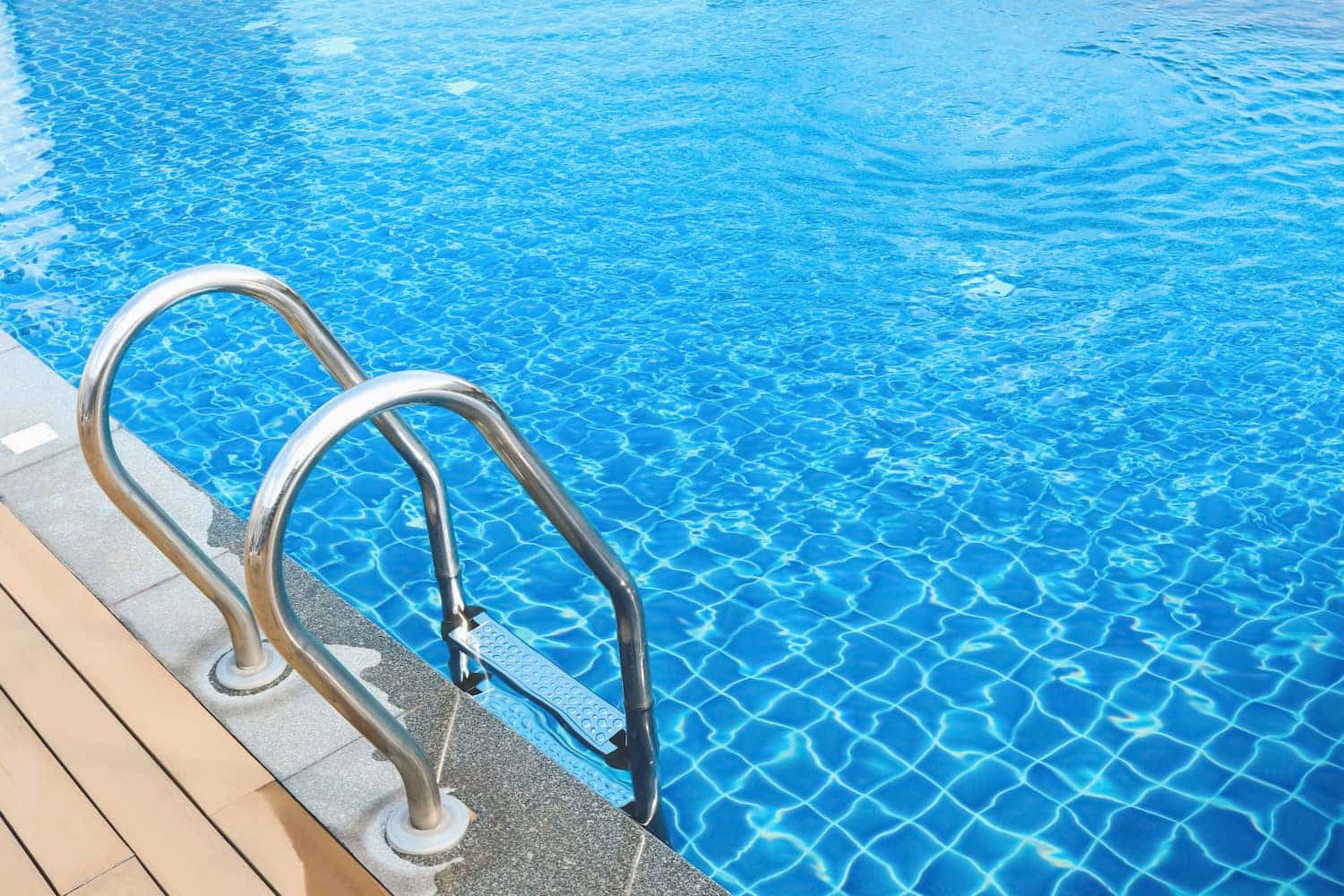
A lot of homes I inspect in Marion and Citrus Counties have a pool. It's part of the lifestyle here, and a pool is a big selling point. It's also a complete second mechanical system attached to the house, with its own pump, plumbing, electrical, and structural components. Any of those can be in rough shape without the water giving it away.
A pool inspection is a separate add-on to a regular home inspection. It's worth doing whenever you're buying a home with a pool, especially an older pool, and the cost is small compared to what a single major repair runs.
What I'm actually looking at
The pool shell, the surface of the pool itself. Plaster pools chip and stain over time. I look at the bond beam (the top edge where the deck meets the pool), the steps, and any obvious cracking. Hairline surface cracks in plaster are normal. Structural cracks that go through the shell are a different conversation.
The decking and coping. Coping is the rim around the pool that caps the bond beam. In central Florida the deck and coping take a beating from sun and the freeze-thaw isn't really a factor here, but ground movement is. I'm looking for separation between coping stones, soft or settling deck pads, and trip hazards.
The screen enclosure, if there is one. Most Florida pools have a cage. I'm checking the screws into the deck, the screen panels for tears, the doors for proper closing. Cage replacement after a hurricane runs $8,000 to $20,000 depending on the size, and a tired cage can come down in a serious storm.
The equipment pad
This is where most of the actual money goes when something fails.
The pump. I run it and listen. A pump that's making a high whining noise has worn bearings. A pump that's tripping the breaker has a bad capacitor or motor. New pool pumps with variable speed runs $1,200 to $2,000 with installation. I want to know if you're inheriting one that's about to give out.
The filter. I look at the type (cartridge, sand, DE), the condition, and any signs of leaks. A cartridge filter with the inside corroding through is going to start passing debris into the pool. That's noticeable.
The heater, if there is one. Heat pumps are common here. Gas heaters are less so but I see them. I check whether it's running, look for corrosion in the burner area, check the venting on gas units.
Electrical at the pad. There's a disconnect, there's bonding, there's GFCI protection. All of this is required by code for safety reasons. I don't certify code compliance, but I do flag things that look obviously off, especially missing bonding. A pool that isn't bonded properly to the equipment can carry stray voltage in the water. People die from this. Not a thing to be casual about.
Plumbing
Visible plumbing on the pad and at the pool itself. I'm checking PVC for sun-damage cracking, checking valves for ease of operation, checking for any obvious leaks at fittings. Underground plumbing can't be inspected visually, but if the pump is losing prime or the water level is dropping faster than evaporation accounts for, that's a sign of an underground leak.
Safety items, especially with kids
This part isn't optional in Florida. The Residential Swimming Pool Safety Act has specific requirements for pools at homes built or sold after 2000.
The pool needs at least one of: a fence isolating the pool from the house, an approved pool cover, an exit alarm on doors leading to the pool, or self-closing self-latching doors with locks above the kid's reach. These are layered safety items, and at least one has to be in working order.
Drain covers. The newer anti-entrapment covers are required, and old flat drain covers are a real hazard. I look at them. If they're old or broken, that's in the report.
Gates on pool fences. Self-closing, self-latching, with the latch on the inside above the deck height. Almost every pool fence I see has at least one item that's drifted out of compliance over time.
What we commonly find on Marion County pools
The most common one is a pool that's been treated chemically for years and the plaster is etched. That's cosmetic mostly, sometimes structural depending on how far it's gone.
Older pumps from the 90s and early 2000s that are well past their lifespan and running inefficiently. Replacement is on the homeowner's list whether they know it or not.
Cage screens that have UV damage and are starting to tear. Common after 8-10 years.
Decking that's settled or separated from the bond beam, sometimes letting water get into the area between deck and shell.
Bonding that's missing or corroded at the equipment pad.
None of this is unusual. Pools in Florida have their normal aging cycle just like roofs do. The point of an inspection is so you know where you are in that cycle, not that you walk away from a pool because it has any of these issues.
When you should add it
Almost any time you're buying a home with a pool. The cost is small relative to what's at stake. Older pools, pools you can tell haven't been maintained well, pools with screen cages, pools at homes with heaters or hot tubs, all of those especially.
If you call to book your home inspection, just say you want a pool inspection added on. We'll coordinate the timing.